
Financial Advisors: Shit or the Shittiest?

Photo by Shane on Unsplash

Retirement planning is hard. Sure, there are simple techniques anyone can use to map a path. Yet those techniques require data and effort. Most people don’t want to spend precious free time crunching numbers and making tough, life-impacting decisions. Most people – myself included – would rather find someone who can just take care of it. You know, a Guy (here used in the gender-neutral sense).

I know more than a few people who have found their Guy: a personal finance manager who promises to make retirement all anyone could ever hope for. They’ve got products that minimize risk and maximize gain. They promise they can beat the market and, in return, ask for a mere few points off the top. You know, for the effort.

I don’t buy it for a second.

Continue reading →
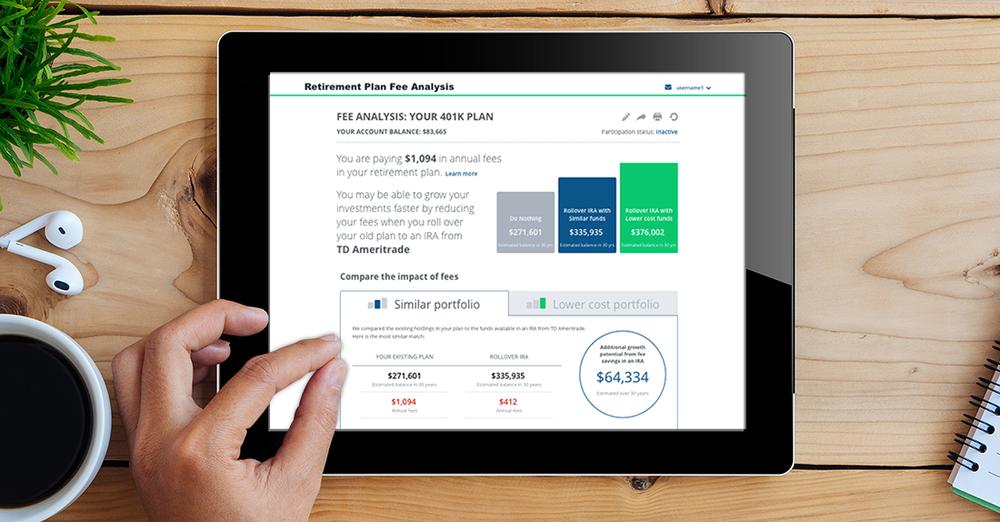
Managing 401ks Before Retirement

TD Ameritrade Fee Analyzer

Many of us will rely on 401k withdrawls to extend social security income. If you’re lucky enough to have an employer-sponsored plan – especially if your employer matches any part of your contributions – you should really be putting money in it. I’m bummed that the IRS sets a limit on how much you can contribute every year ($26k if you’re over 50) but it’s held in a tax-free account and you can often choose how to invest so still a good deal. 

Continue reading →

Withdrawing from 401ks

NerdWallet Tax Calculator

In my last post I talked about how to manage your 401k. But, when the time comes, what’s the formula for withdrawing? 

Continue reading →

Managing Your 401k Post-Retirement

Photo by Towfiqu barbhuiya on Unsplash

Clearly there’s a LOT to think about with your 401k. There’s managing it prior to retirement. There’s planning out how much to withdraw every year. This post on 401ks is about managing the 401k AFTER you retire.

I hadn’t really thought about it but, unless you’re planning to just take everything out of your 401k on day one of your retirement (pro tip: don’t do that) then you’ll need to manage it for the rest of your life*. How you do that will be like any other investment: what do you need – growth or stability, or some kind of mix? Like I keep saying, that’s up to you to sort. But here’s what I think.

Continue reading →